Difference Between LCD and OLED: Which Display Technology Is Better?
-
March 10 , 2026
-
38
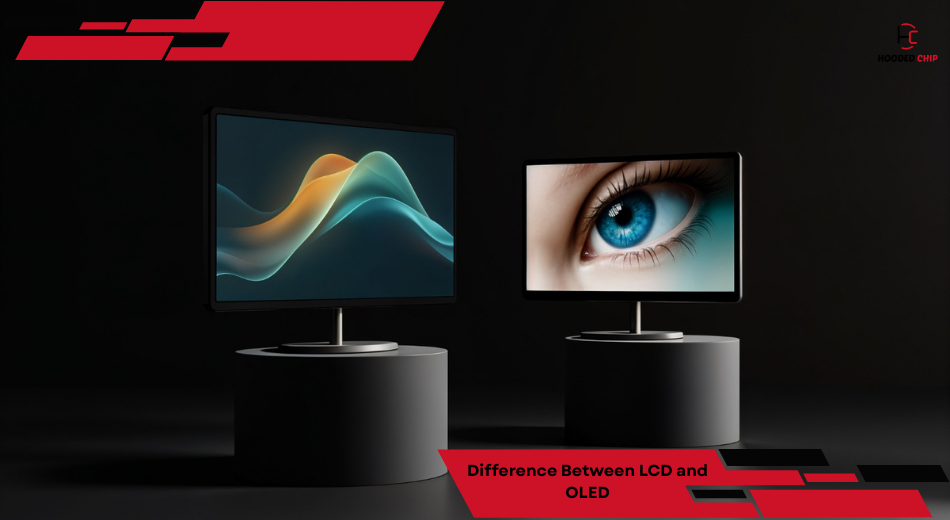
Display technology has improved rapidly over the last decade. Whether you are buying a smartphone, television, laptop, or monitor, you will often see two common display types: LCD and OLED.
Understanding the difference between LCD and OLED can help you make a better buying decision. Both technologies have their strengths, and each is designed for different types of users and budgets.
In this guide from Hooded Chip, we’ll explain how LCD and OLED displays work, their key differences, and which one may be the better option depending on your needs.
Table of Contents
What Is LCD Display Technology?
LCD stands for Liquid Crystal Display. This technology has been widely used in televisions, computer monitors, and smartphones for many years.
An LCD screen works by using a backlight that shines through liquid crystals. These crystals control how much light passes through the screen to create images.
Most modern LCD screens use LED backlighting, which is why they are often marketed as LED TVs.
Key characteristics of LCD displays include:
-
Uses a backlight behind the screen
-
Good brightness levels
-
More affordable compared to OLED
-
Widely used in budget and mid-range devices
LCD screens remain popular because they are reliable and cost-effective.
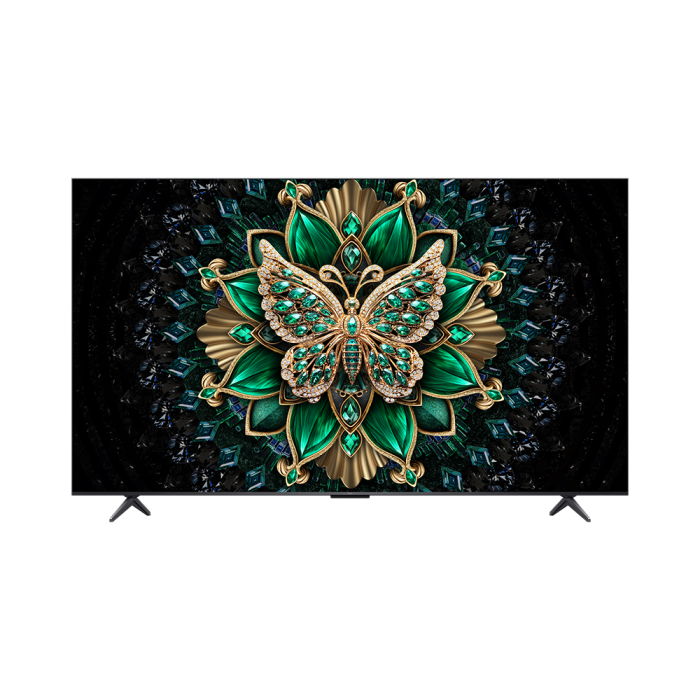
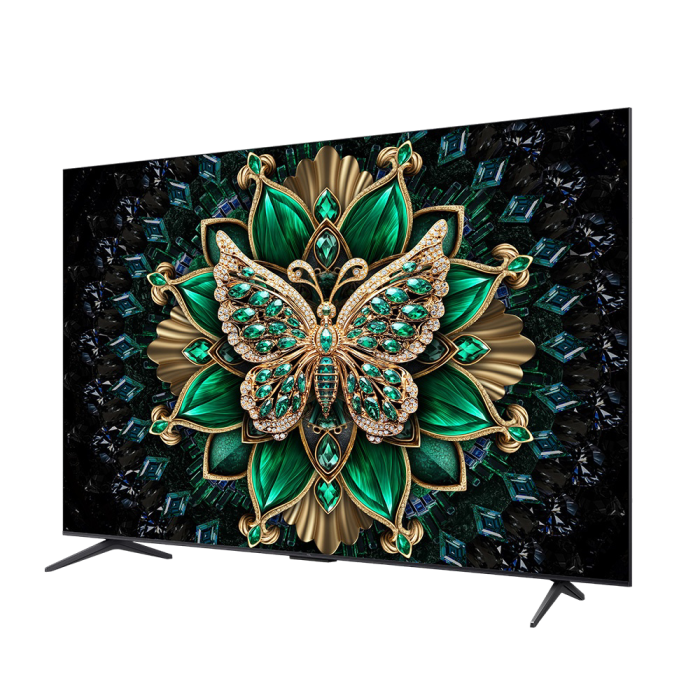
What Is OLED Display Technology?
OLED stands for Organic Light Emitting Diode.
Unlike LCD screens, OLED displays do not use a backlight. Instead, every pixel produces its own light. This means each pixel can turn on or off individually.
Because of this design, OLED displays can create true black colors and higher contrast compared to LCD screens.
OLED displays are commonly found in:
-
Premium smartphones
-
High-end televisions
-
Flagship laptops
-
Gaming devices
The self-lighting pixel technology gives OLED screens a more vibrant and realistic image.
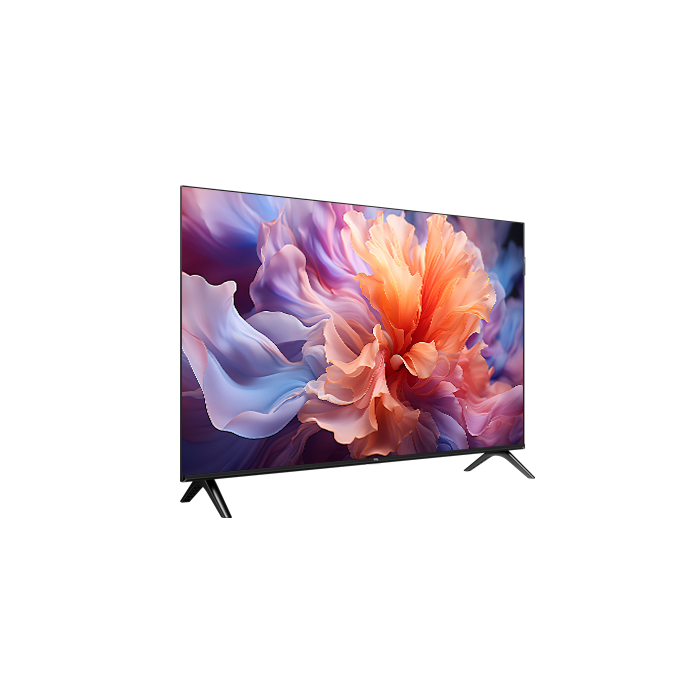
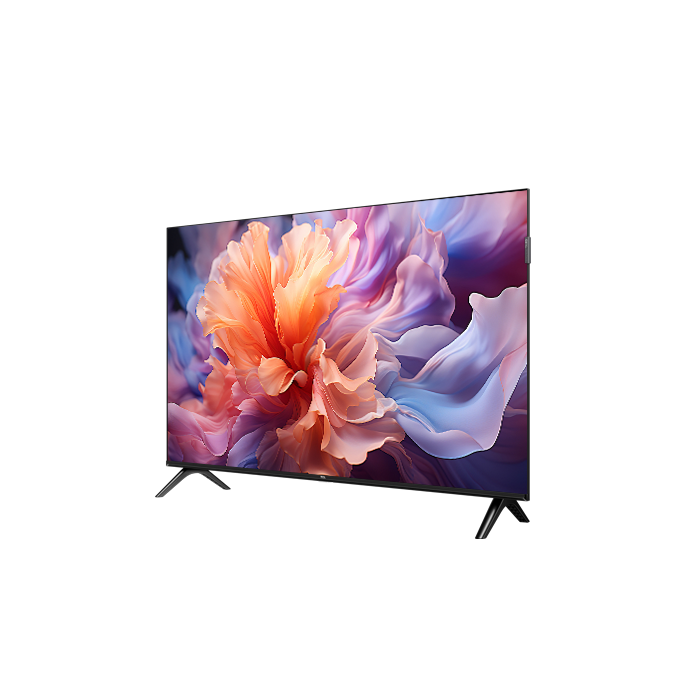
Difference Between LCD and OLED
The main difference between LCD and OLED comes from how they produce light.
| Feature | LCD | OLED |
|---|---|---|
| Lighting | Uses backlight | Each pixel emits its own light |
| Black Levels | Dark gray | True black |
| Contrast | Moderate | Extremely high |
| Thickness | Slightly thicker | Ultra-thin |
| Price | More affordable | Usually more expensive |
OLED technology allows better control of individual pixels, which improves contrast and color depth.
Picture Quality Comparison
When comparing LCD and OLED displays, picture quality is one of the biggest factors.
LCD Picture Quality
LCD screens offer good overall picture quality, especially in newer models that use advanced backlighting technology.
However, because the backlight is always on, black areas may appear slightly gray instead of completely dark.
OLED Picture Quality
OLED displays can turn off individual pixels completely. This creates perfect black levels and extremely high contrast.
As a result, OLED displays are often preferred for:
-
Movie watching
-
Gaming
-
High-end televisions
This is one of the biggest reasons OLED displays are considered premium.
Brightness and Color Accuracy
Brightness performance can vary between the two technologies.
LCD Brightness
LCD displays often achieve higher peak brightness, making them good for brightly lit rooms or outdoor environments.
OLED Colors
OLED displays usually deliver:
-
Deeper colors
-
Better contrast
-
More realistic image quality
The difference becomes especially noticeable when watching high-definition content.
Power Consumption
Power efficiency is another factor in the difference between LCD and OLED.
LCD screens use a constant backlight, meaning power consumption stays relatively stable.
OLED screens only light up the pixels that are needed. When displaying darker images, they can use less power than LCD displays.
However, very bright images may consume more power on OLED screens.
Durability and Lifespan
Both display technologies are reliable, but they have different long-term characteristics.
LCD displays:
-
Generally last longer
-
Do not suffer from burn-in issues
OLED displays:
-
Provide better visuals
-
May experience image retention or burn-in over long periods if static images remain on screen
Modern OLED panels have improved significantly, and burn-in problems are much less common than in early models.
Price Differences
One of the most noticeable differences is price.
LCD displays are widely used in budget and mid-range devices, making them much more affordable.
OLED displays are usually found in premium products, which increases the cost.
However, OLED prices have gradually decreased as the technology becomes more common.
Which Display Is Better for You?
Choosing between LCD and OLED depends on your priorities.
LCD may be better if you want:
-
A lower price
-
Higher brightness for bright rooms
-
Reliable long-term durability
OLED may be better if you want:
-
The best picture quality
-
True black levels
-
Premium display performance
For movie lovers and gamers, OLED often provides a more immersive viewing experience.
Final Thoughts
Understanding the difference between LCD and OLED helps you choose the right display for your device.
LCD displays remain a practical and affordable option for everyday use. OLED displays, on the other hand, deliver superior picture quality, deeper contrast, and thinner designs.
Both technologies continue to improve each year, so the best choice ultimately depends on your budget and how you plan to use the screen.
If you are planning to buy a new TV, monitor, or smartphone, comparing LCD and OLED specifications can help you make a smarter purchase.
Can I write you?
Sign up to get my weekly newsletter.
Trending Stories